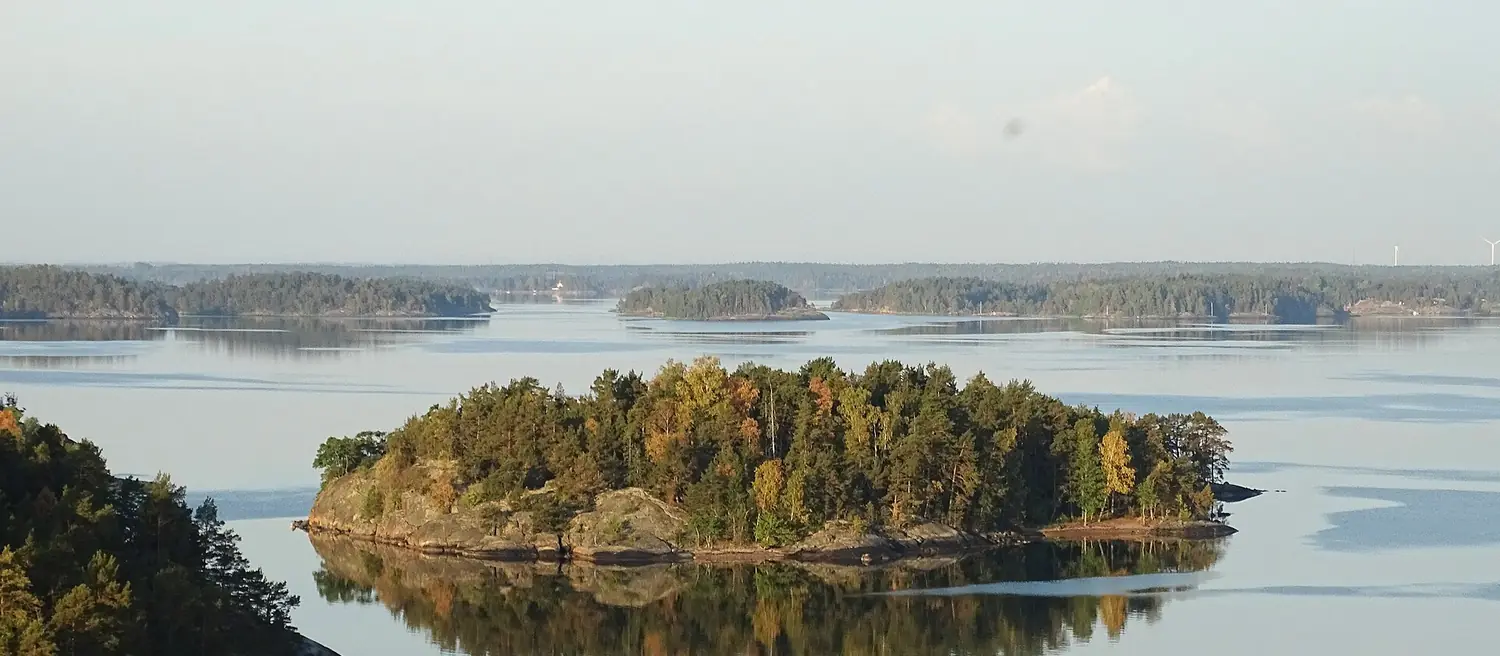
Choosing Your Departure Point: Central Stockholm or Mainland Harbour?
The first decision for any independent trip into the Stockholm archipelago is not which island to visit, but which harbour to leave from. While many guides focus on the city-centre departure quay, Strömkajen, reaching the outer islands is often faster by taking a bus or train to a mainland harbour first. This approach shortens the boat journey and is how many locals travel.
For destinations in the inner and middle archipelago, departing from Strömkajen in central Stockholm (next to the Grand Hôtel) offers a classic, scenic route through the inner waterways. For outer islands like Sandhamn, however, a common strategy is to take a bus from Slussen to Stavsnäs vinterhamn on the Värmdö peninsula, then catch the ferry from there. Similarly, for the southern archipelago islands such as Utö, the journey begins with a commuter train or bus to the port of Nynäshamn. Planning your route this way can save considerable time on the water, which is especially useful for a day trip.
Understanding Tickets: When Your SL Pass Works and When It Doesn't
Stockholm’s public transport is integrated, but knowing the limits of your SL pass is key to avoiding confusion. The SL travel pass (a period ticket) is valid for travel on the main public ferry network, Waxholmsbolaget, but only within the SL fare zone. This generally covers the inner and middle parts of the archipelago. For example, a trip to the popular town of Vaxholm is typically covered by an active SL pass.
However, once you travel further out to destinations like Sandhamn, you leave the SL zone. At this point, your SL pass is no longer valid for the journey, and you must purchase a separate Waxholmsbolaget ticket. These tickets are based on Waxholmsbolaget's own fare zones. You can buy these single-journey tickets at the terminal, on board the ferry from staff, or via the SL app. There is no need to book a seat in advance; you simply turn up for the scheduled departure. For visitors arriving with a car, note that these are passenger boats. You pay per person, not per vehicle, as most inhabited islands are car-free by design.
The Main Ferry Operators: Public Service vs. Guided Tour
Two distinct types of boat service operate in the archipelago, and choosing the right one depends on what you want from your day. For independent, A-to-B travel, the public network is the default and most economical choice.
Waxholmsbolaget: The Public Network
Waxholmsbolaget is the backbone of archipelago transport, running a year-round service with roughly 50 routes to over 100 destinations, from Arholma in the north to Landsort in the south. These are the functional boats used by island residents. They are not guided tours; they simply get you from one place to another according to a timetable. This makes them the ideal option for travellers who want to explore islands at their own pace, perhaps taking advantage of Sweden's right of public access, Allemansrätten, to walk or swim away from the main settlements.
Commercial Sightseeing Boats
Operators like Strömma run services designed specifically for tourists, often departing from Nybroplan. These include guided sightseeing cruises on classic ships and high-speed RIB tours. They are priced and booked differently from the public ferries, often requiring advance reservation and costing significantly more. While they provide commentary and a curated experience, they offer less flexibility than the public Waxholmsbolaget network for independent island-hopping.
Planning Your Trip by Season
The archipelago experience is dictated by the season. The timetable expands dramatically for the summer months, roughly from late June to mid-August, with frequent services and many routes that only operate during this peak period. During this time, island shops, cafés, and guesthouses are fully open.
From October to April, the opposite is true. The winter timetable is sparse, with far fewer daily departures. Connections to outer islands can be several hours apart, and many tourist-focused businesses on the islands close down entirely. While the landscape is beautiful in the low season, a winter trip requires careful planning around the printed timetable and a focus on larger, year-round communities like Vaxholm. Attempting to visit smaller, seasonal islands during winter is often not practical.
Key Island Destinations for a First Visit
With thousands of islands, choosing one can be daunting. These four destinations offer a good introduction to the different facets of the archipelago.
Fjäderholmarna: The Closest Islands
For the shortest possible taste of archipelago life, the Fjäderholmarna islands are the clear choice. A seasonal ferry service, Fjäderholmslinjen, gets you there from Slussen or Strömkajen in about 20–25 minutes. It's a popular afternoon trip for a walk and a waterside meal.
Vaxholm: The Historic jumping-off point
About an hour by boat from central Stockholm, Vaxholm is often called the capital of the archipelago. It’s a well-preserved 19th-century town of wooden houses, with shops and restaurants that stay open year-round. The imposing Vaxholm Fortress sits on an island just offshore. Vaxholm can also be reached by bus, making it an accessible and reliable day-trip destination even outside the summer season.
Grinda: The Nature Reserve
Grinda is a car-free island in the middle archipelago, popular with locals and visitors for its walking trails, swimming spots, and natural scenery. It represents a quieter, more nature-focused experience and is a common choice for a first overnight stay in a traditional guesthouse or cabin.
Sandhamn: The Outer Archipelago Hub
Known as a premier sailing destination, Sandhamn offers a sense of the outer archipelago's more rugged character. The journey itself is part of the experience, taking around 3 hours by public ferry from central Stockholm. To shorten the trip, you can take a bus to Stavsnäs and catch the boat from there. As an outer island, it requires a separate Waxholmsbolaget ticket.
Keep the paper ticket
Buying on your phone does not end the transaction here. Ask for the printed slip whichever way you pay, and hold on to it for the whole journey — the crew collects it as you disembark, and a screen will not do. Visitors lose it or throw it away precisely because a mobile purchase feels complete.
Holders of an SL travelcard get further than they might assume. The card works on archipelago boats across 44 landing stages from Strömkajen out past Vaxholm, all year. Outside the summer season — the low-season window opens 14 September — cards valid 30 days or longer stretch to the entire archipelago instead.