Choosing Your Season: How Timetables Shift in Norway and Sweden
Understanding how ferry services change with the seasons is key to planning a trip through Norway and Sweden. While many core routes operate all year, schedules for tourist-focused fjord crossings and island connections alter dramatically between the summer peak and the winter off-season. Some scenic lines, such as the Geiranger-Hellesylt service, shut down completely outside of their April to October operating window. Arriving in March hoping to sail through the Geirangerfjord will lead to disappointment, as the route will not be running.
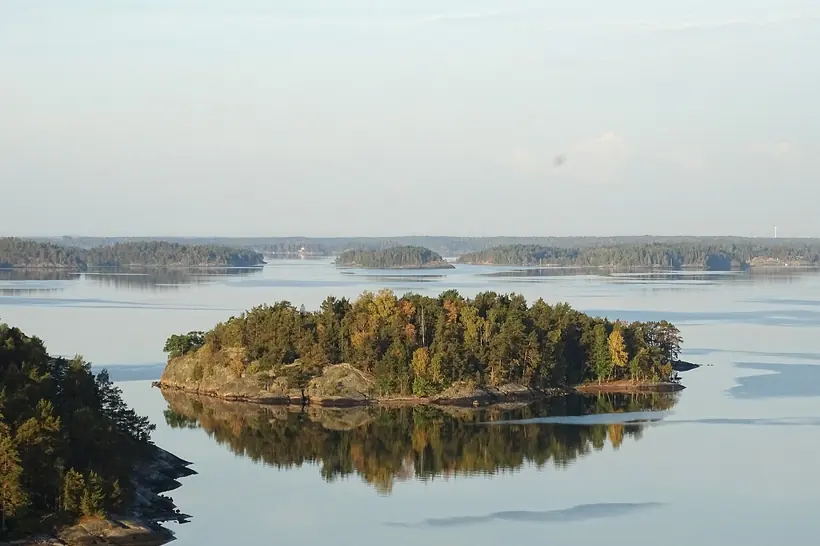
Norway's mainland car ferries are an integral part of the national road network and continue to run throughout the winter. However, their frequency is significantly reduced. A route like the Bodo-Moskenes ferry to the Lofoten Islands, which might have up to nine departures per day in high summer, could drop to just one or two daily sailings from September to May. This makes a same-day return trip as a foot passenger very difficult and requires careful planning for drivers. Sweden's Stockholm archipelago follows a similar pattern; the public transport ferries run year-round on main routes, but the comprehensive summer timetable, serving even distant islands, is active for a much shorter period, roughly from late June to mid-August.
Summer Peak: Midnight Sun and Maximum Services (June-August)
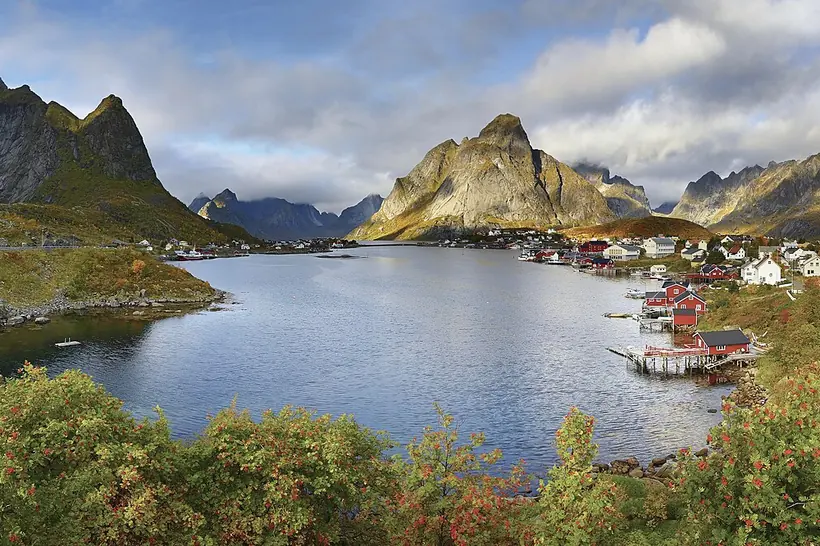
The high season from June to August offers the most extensive ferry network and the longest daylight hours for sightseeing. This is the period of the midnight sun in northern Norway, when the sun does not set for weeks. In the Lofoten Islands, you can expect 24-hour daylight from approximately 25 May to 18 July. Further north in Tromso, the period is from about 18 May to 25 July, and at the North Cape, it lasts from mid-May to late July. This constant daylight means you can take an evening ferry crossing and still experience the full coastal scenery as if it were midday.
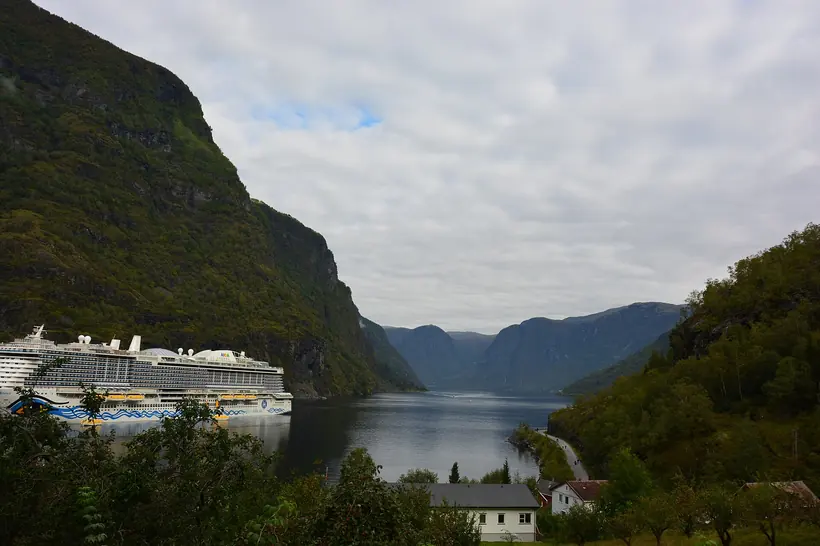
This is also the only time certain tourist-specific ferries operate. The popular Geiranger-Hellesylt car ferry, a journey of roughly 45 to 65 minutes, depending on the sailing, through a UNESCO World Heritage landscape, runs only from around April to October. Similarly, some classic fjord boats in the Naeroyfjord area, like the Kaupanger-Gudvangen car ferry, also operate on a summer-only basis.
The downside of summer travel is demand. For drivers with their own or a rental car, vehicle spaces on sought-after routes can sell out, particularly in July and August. This applies to the Lofoten ferries and the Geirangerfjord crossing. It is wise to make reservations in advance where possible to secure a spot. Foot passengers generally have more flexibility but should still check schedules, as even in summer, some smaller island routes may only have a few sailings per day.
Winter Travel: Polar Nights and Weather Risks (November-March)
Winter ferry travel offers a completely different experience, defined by the polar night and a higher chance of weather disruption. In the Lofoten Islands, the sun does not rise above the horizon for about five weeks from early December. This doesn't mean total darkness; for a few hours around midday, a soft, ethereal twilight illuminates the snow-covered landscape. However, for much of the day, sightseeing from the ferry deck will be in darkness, an experience better suited for spotting the northern lights than for viewing fjords.
The greatest challenge in winter is the weather. Storms can and do halt ferry services, sometimes isolating coastal communities. In December 2024, for instance, severe weather stopped many Norwegian ferries. Crossings on exposed, open-sea routes face the highest risk of cancellation. A storm in the Skagerrak that month, with winds of 30-35 m/s and waves up to 10 metres, caused major disruption to the international ferries between Norway and Denmark. In contrast, services that operate within sheltered, inner fjords are generally more reliable. If you are driving, it is sensible to build a buffer day into your winter itinerary to account for potential cancellations.
The Shoulder Seasons: A Strategic Choice (May & September)
May and September are often considered the best months for a ferry-based trip. These shoulder-season months can provide a good balance of frequent services, reasonable weather, and fewer crowds than the summer peak. Most tourist routes, including the Geiranger-Hellesylt ferry, are operational, having started their season around April and running until October.
In May, you benefit from long daylight hours and can often see snow still capping the fjord mountains, creating a dramatic contrast with the greening valleys below. September offers autumnal colours and a good chance of clear, crisp weather. Prices for accommodation and some services may be lower than in July and August. While the weather is less predictable than in summer, the risk of storm cancellations is lower than in deep winter. For drivers and foot passengers alike, these months offer a more relaxed experience without the pressure of summer sell-outs, though booking popular routes is still a sensible precaution.