Understanding Sognefjord Boats: Crossings vs Cruises
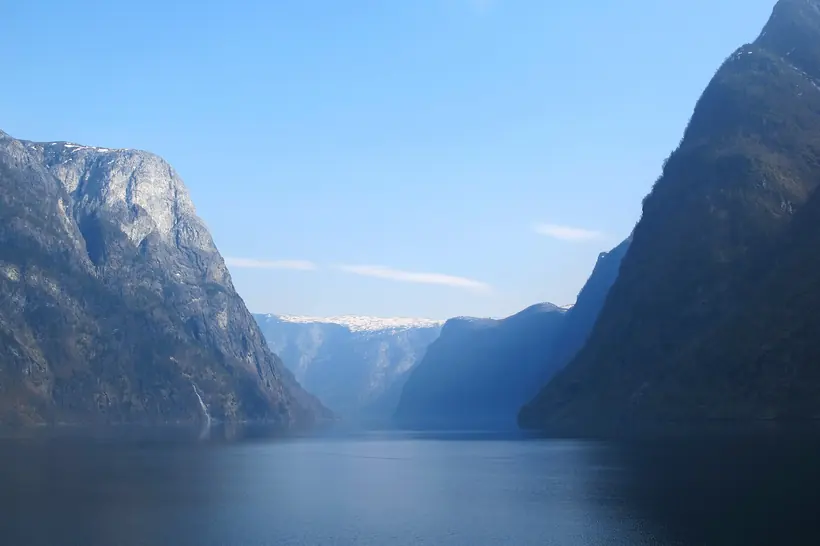
Navigating Norway’s Sognefjord by water can be confusing. The key is to distinguish between the functional car ferries that serve as floating bridges for road traffic, and the dedicated scenic cruises designed for sightseeing. Car ferries are part of the public road network, offering short, frequent crossings of the main fjord body. Tourist cruises are longer, slower journeys focused on the most dramatic fjord arms, like the UNESCO-listed Nærøyfjord.
This guide explains which boat to take depending on your itinerary, whether you are driving, have a rental car, or are exploring on foot. Understanding this difference is the first step to planning a coherent trip around the ‘King of the Fjords’.
For Drivers: The Main Car Ferry Crossings
If you are exploring Vestland by car, you will likely use a car ferry to cross the Sognefjord. These are not sightseeing tours but efficient transport links that save hours of driving. You simply drive on, pay for your vehicle, and drive off on the other side. Queues can form in summer, so arriving a little before the scheduled departure is wise.
Oppedal–Lavik (E39 Coastal Route)
This crossing is an integral part of the E39, the main coastal highway in Western Norway. Operated by Norled, it connects the outer Sognefjord. This route is notable for being the first in the world to use a battery-electric car ferry, the MV Ampere, which entered service in 2015. It is a frequent, year-round service that drivers on the main north-south route will encounter.
Mannheller–Fodnes (Rv5 Inner Fjord Route)
Connecting the roads between Sogndal and Lærdal, this ferry on Riksvei 5 (Rv5) is a critical link for those travelling in the inner Sognefjord region. The Norled-operated crossing is very frequent, running around the clock all year. The journey itself is short, taking about 15 minutes, allowing for a continuous flow of traffic.
Dragsvik–Hella–Vangsnes (Balestrand area)
This triangular ferry connection serves the area around the scenic village of Balestrand, linking the north and south shores of the fjord. Norled operates three identical battery-electric ferries on this route: MF Hella, MF Dragsvik, and MF Leikanger. This service is useful for those on a more local driving tour, connecting several fjord-side communities.
For Sightseers: Scenic Fjord Cruises
For visitors wanting to experience the fjord's dramatic scenery up close, a dedicated tourist cruise is the best option. These boats are designed for observation, often moving slowly and quietly. They are separate from the car ferry network and focus on specific, highly scenic fjord arms.
Flåm–Gudvangen Nærøyfjord Cruise
This is the primary scenic boat trip on the Sognefjord. It is not a car ferry but a passenger-only cruise that takes around two hours one way. The route sails through the Aurlandsfjord and into the Nærøyfjord, a fjord arm so narrow (down to roughly 250 metres wide) and spectacular that it was added to the UNESCO World Heritage list in 2005. The journey is operated by modern electric and hybrid vessels, such as Future of The Fjords and Vision of The Fjords, which run silently on battery power to minimise environmental impact. This trip is central to many car-free itineraries, often combined with the Flåm Railway.
Kaupanger–Gudvangen Car Ferry
To add to the potential confusion, there is a separate car ferry that travels towards the Nærøyfjord area. The Kaupanger to Gudvangen ferry typically operates only during the summer season, from roughly May to September. While it carries vehicles, its route is more scenic than the short cross-fjord car ferries. It offers a way for drivers to experience a longer fjord journey without leaving their car behind, but its limited seasonal operation means it must be planned for in advance.
Travelling Without a Car
Exploring the Sognefjord without a car is entirely feasible and often more relaxing. The public transport network of express boats, combined with the scenic cruise and Flåm Railway, connects the main points of interest.
Bergen–Sognefjord–Flåm Express Boat
A year-round express passenger boat operated by Norled connects Bergen directly with villages along the Sognefjord. This is the main transport artery for car-free travellers. The boat stops at communities like Vik, Balestrand, Leikanger, and Aurland. In the summer season (roughly April to October), the route extends all the way to Flåm, providing a direct link for tourists. This allows you to travel from the city deep into the fjord landscape in a single journey.
Combining Rail and Boat
Flåm is the main hub for car-free travel in the region. It is the terminus of the famous Flåm Railway, which connects to the main Bergen-Oslo railway line at Myrdal. A popular itinerary for foot passengers is to take the train to Flåm, join the two-hour scenic cruise to Gudvangen through the Nærøyfjord, and then return by bus to complete a circuit. Using the Bergen express boat adds another dimension, allowing for a multi-day trip staying in different fjord villages.
Planning for Winter Travel
Visiting the Sognefjord in the off-season offers a different, quieter experience, but requires careful planning as services are reduced.
The main car ferries like Oppedal–Lavik and Mannheller–Fodnes operate year-round, as they are key infrastructure. However, tourist-oriented services change significantly. The Bergen express boat does not run all the way to Flåm in winter; its route typically terminates at Sogndal instead. The Flåm–Gudvangen scenic cruise also operates on a reduced schedule. The Kaupanger–Gudvangen car ferry does not run at all. Always check timetables directly with the operators for the specific dates of your winter travel.