Which Norwegian Ferry Crossings Are Exposed to Open Sea?
Most ferry journeys in Norway are short, sheltered trips across fjords and are rarely affected by weather. A handful of key tourist routes, however, cross stretches of open sea where conditions can be very different. Knowing which routes are exposed is the first step to planning a resilient itinerary. The key distinction is between a fjord shuttle and an open-water crossing.
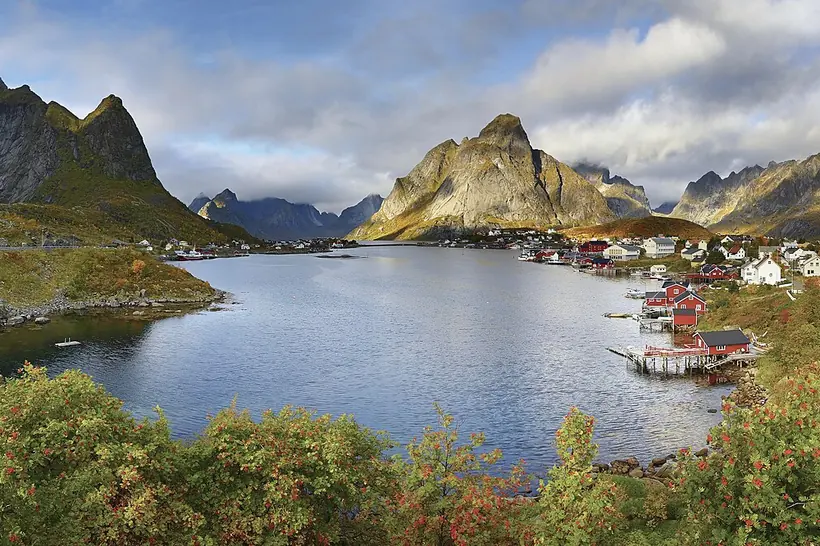
The most significant open-water car ferry crossing for many visitors is the Bodø to Moskenes route to the Lofoten islands. This journey crosses the wide Vestfjorden and is exposed to the elements. Sailings can be delayed or cancelled due to strong winds, a risk that is higher in the winter and shoulder seasons, but can occur at any time of year.
Other notable crossings that face the open sea include:
- Gryllefjord to Andenes: This useful summer car ferry links the islands of Senja and Vesterålen, saving a long drive. The crossing takes about 1 hour 40 minutes across open sea.
- Stokkvågen to Træna: A local ferry on the Helgeland coast, this route is exposed for its approximately 2-hour duration.
- Alta to Hammerfest: This is an express passenger boat, not a car ferry. Its route is coastal and less sheltered than an inland fjord trip.
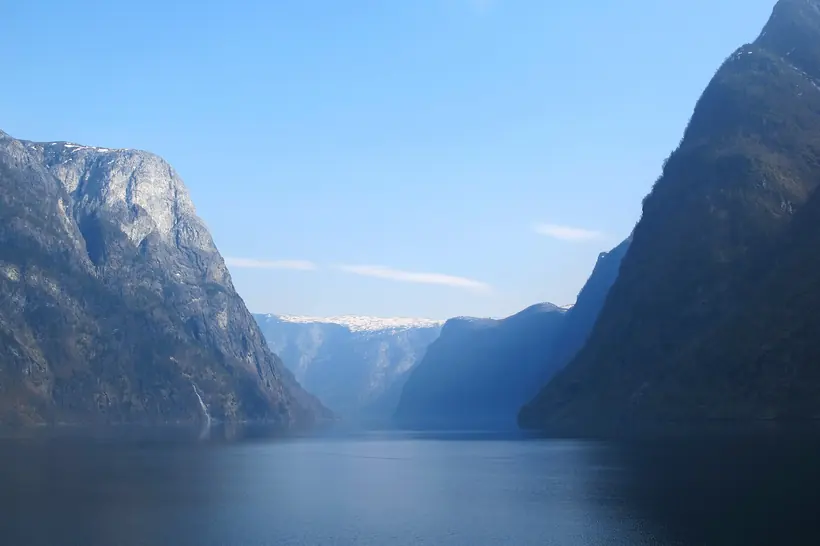
By contrast, the popular tourist car ferries on the west coast, such as those crossing Sognefjord or Geirangerfjord, operate in far more protected waters. While very severe conditions can affect any service, these routes are not subject to the same kind of open-sea swell and wind cancellations as the Vestfjorden crossing.
The Real Impact of a Cancelled Sailing
What a cancellation means for your travel day depends entirely on the frequency of the service. Travellers often worry about getting stuck, but the reality varies enormously from route to route. The number of scheduled daily sailings is the best indicator of how much disruption a single cancellation will cause.
For a high-frequency crossing, such as the many short fjord shuttles on the E39 highway, a cancelled sailing is usually a minor inconvenience. If a departure is missed, the next one is often within the hour. You simply wait in the ferry queue for the next available service. This applies whether you are travelling with your own car, a rental, or as a foot passenger.
The situation is completely different for low-frequency crossings. The Bodø to Moskenes ferry is a prime example. With only a few sailings a day, a cancellation can remove a whole day's travel opportunity. If a morning sailing is cancelled, the next available space might not be until the afternoon or even the next day, especially if the ferry is heavily booked. For a traveller with a fixed itinerary and pre-booked accommodation, this can have a significant knock-on effect.
Technical Issues vs. Weather
While storms and high winds are the most common reasons for widespread disruption, they are not the only cause of cancellations. Individual sailings can be cancelled for technical reasons. This has been known to happen on routes like Bodø–Moskenes. A technical fault might affect a single departure or take a vessel out of service for a longer period. Unlike weather, a technical issue is unpredictable and can occur even on a perfectly calm summer's day. This reinforces the need for flexibility in your plans, particularly when relying on a single, specific departure for a long-distance connection.
Planning Your Itinerary: How to Build in Slack
If your itinerary depends on a low-frequency, open-water ferry crossing, it is sensible to build some slack into your schedule. This is especially true if you are travelling outside the peak summer months of July and August, as the shoulder seasons can see a higher chance of wind-related disruption.
For foot passengers, a cancellation might mean finding a hotel for the night and re-booking for the next day. For drivers, the consequences can be more complex, especially with a rental car due back at a specific time. If a crossing like Bodø–Moskenes is cancelled, the alternative is a very long drive. Instead of a 3 hour 15 minute ferry journey, you would face a multi-hour road trip via Narvik to reach the Lofoten islands.
A practical approach is to avoid scheduling a critical ferry crossing on the same day as a flight or another non-negotiable deadline. If possible, plan to take the ferry the day before a flight. Booking an early-morning sailing rather than the last one of the day also provides more options if your initial departure is cancelled; you may be able to get on a later service.
Car Ferries vs. Express Boats in Rough Seas
For travellers concerned about seasickness, the type of vessel matters. Norway operates two main types of ferry: large car ferries (bilferge) and smaller, faster passenger-only express boats (hurtigbåt).
In choppy conditions, a large car ferry is generally more stable and offers a more comfortable ride than an express boat. The sheer size and displacement of a car ferry help it handle waves more smoothly. An express boat, being smaller and lighter, will ride the waves more actively, and the motion can be noticeably less comfortable for passengers prone to motion sickness. The journey from Alta to Hammerfest, for example, is on an express boat and takes about 1 hour 35 minutes on coastal waters. If you are sensitive to rough seas, it is worth considering this factor when choosing your route and mode of transport, especially outside the calmest summer months.